
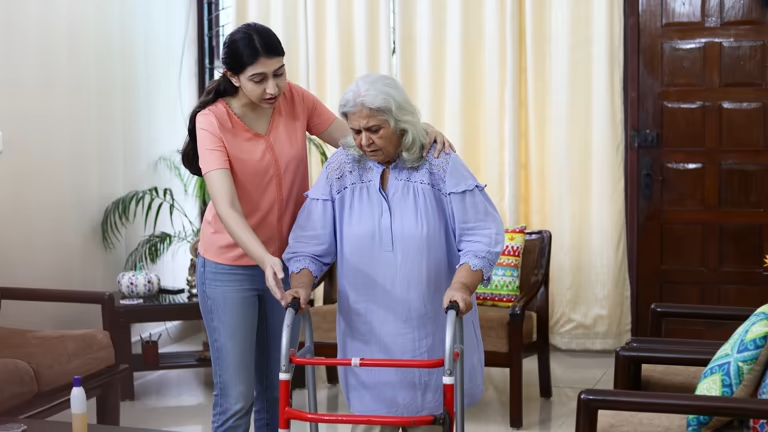
Senior living in Wichita KS has changed significantly over the years. Families today are not only focused on safety and medical support, but also on comfort, familiarity, and emotional well-being. As people live longer, the need for thoughtful long-term care solutions has grown, especially for seniors who require daily assistance while still wanting to feel at home.
One notable shift in senior living is the growing interest in smaller residential care homes. These settings provide long-term care in a more personal environment, often supporting stronger relationships between residents and caregivers. This article explores senior living in Wichita KS with a focus on small homes, long-term care, and how Medicaid assistance fits into the decision-making process.
An Overview of Senior Living in Wichita KS
Wichita offers a range of senior living options designed to meet different levels of need. From independent living to long-term care, families can choose environments that align with health requirements, lifestyle preferences, and financial considerations.
Why Senior Living Needs Are Changing
As the senior population grows, expectations around care are evolving. Older adults and their families are seeking environments that feel less institutional and more personal. Many seniors want to remain socially connected while receiving appropriate support.
This shift has encouraged the development of smaller, residential-style homes that prioritize daily routines and familiarity.
The Shift Toward Smaller Home Settings
Small home senior living typically involves fewer residents living together in a single house. These homes provide assistance with daily activities while maintaining a calm and predictable environment.
In senior living in Wichita KS, these settings are becoming an important alternative to larger facilities.
Understanding Long-Term Care for Older Adults
Long-term care refers to ongoing support for individuals who are unable to perform certain daily activities independently.
What Long-Term Care Means
Long-term care includes assistance with bathing, dressing, medication management, mobility, and meal preparation. It may also involve supervision for safety and coordination with healthcare providers.
Long-term care is not limited to medical treatment. It focuses on supporting daily life over an extended period.
Who Typically Needs Long-Term Care
Seniors with chronic conditions, mobility challenges, or cognitive decline often require long-term care. Some individuals may need support gradually, while others require more immediate assistance.
Choosing the right setting can help maintain quality of life.
Common Misconceptions About Long-Term Care
One common misconception is that long-term care is only provided in nursing homes. In reality, long-term care can be delivered in various environments, including small residential homes that offer a more familiar setting.
Types of Senior Living Options Available in Wichita KS
Understanding the differences between senior living options helps families make informed decisions.
Independent Living
Independent living is designed for seniors who are able to manage daily activities on their own. These communities often provide housing, social opportunities, and limited support services.
Independent living does not typically include long-term care services.
Assisted Living Communities
Assisted living communities provide help with daily tasks while offering private or semi-private apartments. These communities often serve a larger number of residents and follow structured schedules.
While assisted living meets many needs, some seniors prefer quieter, more intimate settings.
Small Residential Care Homes
Small residential care homes offer long-term care in a house-like environment. With fewer residents, caregivers can provide more personalized support.
These homes are a growing part of senior living in Wichita KS, especially for families seeking a balance between care and comfort.
Why Small Home Senior Living Matters
Small home settings offer distinct advantages that influence daily life and well-being.
Personalized Daily Care
With fewer residents, caregivers can better understand individual preferences and routines. This personalization supports dignity and independence.
Residents are not required to adapt to rigid schedules, which can reduce stress.
Emotional Well-Being and Familiarity
Living in a home rather than a facility can ease transitions for seniors. Familiar layouts, shared meals, and consistent caregivers help residents feel secure.
Emotional comfort plays a significant role in successful long-term care.
Caregiver Consistency
Smaller homes often have consistent staffing. Seeing familiar caregivers each day builds trust and improves communication.
Consistency is particularly important for seniors with memory-related conditions.
How Medicaid Assistance Supports Senior Living
Medicaid assistance plays a key role in making long-term care accessible for many families.
What Medicaid Assistance Covers
Medicaid assistance may help cover the cost of long-term care services for eligible individuals. Coverage can vary based on care setting and individual circumstances.
It is important to understand what services are included.
Eligibility Basics
Eligibility for Medicaid assistance depends on income, assets, and medical needs. The application process can be complex, and families often seek guidance to navigate requirements.
Planning ahead can help avoid delays.
Medicaid and Long-Term Care in Kansas
In Kansas, Medicaid assistance supports various long-term care options, including certain residential care settings. Understanding state-specific guidelines is essential when exploring seniors living in Wichita KS.
Comparing Senior Living Models
The table below highlights key differences between common senior living options.
| Feature | Independent Living | Assisted Living | Small Residential Care Homes |
| Level of Care | Minimal | Moderate | Long-Term Care |
| Living Environment | Apartments | Large community | Private home |
| Number of Residents | High | High | Low |
| Daily Routine | Independent | Structured | Flexible |
| Personal Attention | Limited | Moderate | High |
This comparison shows why small home models are often associated with more individualized long-term care.
The Role of Environment in Quality Long-Term Care
The physical and social environment has a direct impact on how seniors experience care.
Safety and Accessibility
Residential care homes integrate safety features into everyday living spaces. This approach supports mobility without creating an institutional feel.
A safe environment encourages independence.
Daily Routines and Independence
Maintaining personal routines helps seniors retain a sense of control. Small homes are better suited to accommodate individual schedules.
This flexibility supports emotional stability.
Meals prepared and shared in a home kitchen encourage social interaction. Nutrition combined with social engagement supports overall health.
Senior Living in Wichita KS and Community Connection
Remaining connected to the local community is important for many seniors.
Remaining Close to Family
Small home senior living options are often located in residential neighborhoods, making visits easier for family members.
Frequent contact supports emotional well-being.
Neighborhood-Based Living
Living in a familiar area helps seniors maintain a sense of identity. Senior living in Wichita KS benefits from established neighborhoods and local resources.
Keepsake Kottage and Small Home Senior Living
Keepsake Kottage is part of the small home senior living landscape in Wichita.
Residential Care Setting
Keepsake Kottage operates in a residential environment designed to support long-term care needs while maintaining a home-like atmosphere.
The smaller scale allows for personalized daily support.
Approach to Long-Term Care
Care at Keepsake Kottage focuses on daily assistance, safety, and routine. Long-term care is provided in a way that respects individual preferences.
This approach aligns with the values of small home senior living.
Communication With Families
Keepsake Kottage emphasizes clear communication with families, helping them stay informed and involved.
Within senior living in Wichita KS, Keepsake Kottage represents a residential care model focused on consistency and familiarity.
How to Choose the Right Senior Living Option
Selecting senior living involves careful consideration of care needs and the environment.
Questions Families Should Ask
Families may consider asking:
- What level of long-term care is provided
- How many residents live in the home
- How Medicaid assistance is handled
- How caregivers support daily routines
- How family communication is maintained
These questions help clarify whether a setting aligns with expectations.
What to Observe During a Visit
Observing interactions, routines, and overall atmosphere provides valuable insight. A calm and familiar environment often reflects thoughtful care.
Closing Perspective
Senior living in Wichita KS continues to reflect changing expectations around care, comfort, and connection. Small home environments play an important role in providing long-term care that feels personal rather than institutional.
By understanding long-term care options, Medicaid assistance, and the impact of the environment, families can make informed decisions. For those seeking additional details or clarification, families may contact us to learn more about available care approaches. Models such as Keepsake Kottage demonstrate how small residential homes can support aging with consistency, dignity, and a sense of belonging.
Frequently Asked Questions
What is senior living in Wichita KS
Senior living in Wichita KS includes housing and care options for older adults, ranging from independent living to long-term care in residential settings.
What is long-term care
Long-term care refers to ongoing assistance with daily activities for individuals who cannot fully care for themselves.
How does Medicaid assistance help with senior living
Medicaid assistance may help cover eligible long-term care services for qualifying individuals.
Are small residential care homes regulated
Yes, small residential care homes are subject to state regulations to ensure safety and quality of care.
How do families choose the right senior living option
Families evaluate care needs, environment, location, and financial considerations to find the most suitable option.