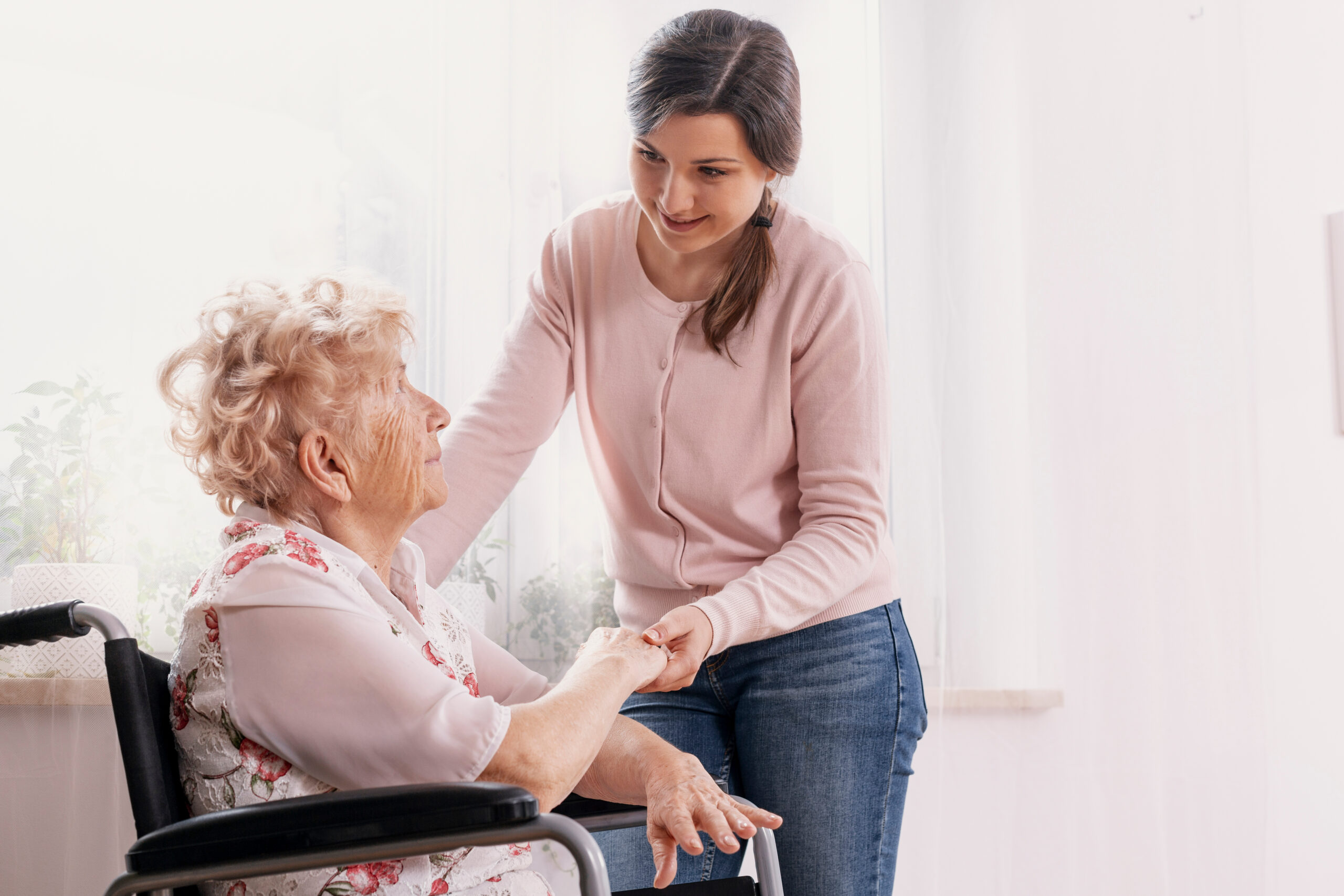

How Does Memory Care Support Families Facing Dementia?
Specialized memory care support is often the turning point for families who are navigating the challenges of dementia or Alzheimer’s. When memory loss becomes unpredictable or daily routines become unsafe, families begin searching for options that can provide structure, security, and compassionate help. At Keepsake Kottage Home Plus, families often come in asking what specialized memory care support really looks like and how it can ease the burden they’ve been carrying for months or sometimes years. Understanding the impact of this level of care can make difficult decisions feel a little less overwhelming.
Why Specialized Memory Care Support Matters
Unlike general senior care, specialized memory care support is designed specifically for individuals with cognitive changes. This includes creating safe spaces, managing behavioral shifts, and offering consistency that helps reduce confusion. Seniors with dementia thrive in calm, predictable environments where caregivers understand the progression of memory loss. A structured schedule, simple routines, and familiar surroundings help reduce anxiety. At the same time, staff trained in dementia behaviors can step in quickly when moments of agitation or uncertainty arise.
How Memory Care Helps Seniors Stay Safe and Comfortable
Safety is one of the biggest reasons families choose specialized memory care support. Wandering, medication confusion, and difficulty with daily tasks can create serious risks at home. Memory care communities are built around supervision, gentle redirection, and continuous awareness of each resident’s needs. Seniors are supported with meal preparation, bathing, dressing, mobility, and activities tailored to different cognitive levels. This provides relief not only for the senior but also for families who have been trying to manage everything on their own.
The Emotional Relief for Families
For most families, specialized memory care support brings peace of mind. Many caregivers experience exhaustion, guilt, or fear that they can no longer meet their loved one’s needs. Once a senior transitions into a memory care environment, families often notice a shift. Their loved one becomes more settled, more engaged, and less stressed. Families can return to spending quality time together instead of scrambling to manage the challenges of dementia around the clock.
A Comfortable Closing Thought
Memory care isn’t just about managing symptoms, it’s about giving seniors a calm place to live and giving families room to breathe again. Specialized memory care support provides reassurance during some of the toughest stages of aging. If your family is considering this step, knowing what to expect can bring a sense of clarity and confidence in choosing the right environment.